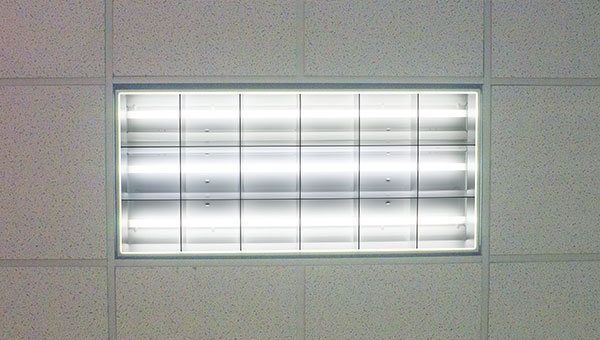
Fluorescent Light Filters For Migraines: Evidence, Options, And Safer Lighting
Fluorescent light filters for migraines that diffuse glare soften blue peaks, and block UV—making offices and schools calmer. Engineer‑designed, easy install.

If fluorescent lights leave you squinting, rubbing your temples, or bracing for a migraine, you’re not imagining it. Certain features of overhead lighting, flicker, glare, and blue‑weighted spectra, are proven triggers for people with light sensitivity. The good news: you can correct a lot of that at the fixture. See our fluorescent light covers.
Read more: Fluorescent Light Filters For Migraines: Evidence, Options, And Safer Lighting
Fluorescent light filters for migraines diffuse harsh light, reduce problematic wavelengths, and block UV, making classrooms, offices, and clinics easier on the eyes. At Make Great Light, our engineer‑designed NaturaLux light filters are built to transform harsh fixtures into comfortable, full‑spectrum lighting, safely and simply, without dimming your whole space.
Why Fluorescent Lighting Triggers Migraines
Flicker And Inconsistent Ballasts
Older fluorescent fixtures driven by low‑frequency magnetic ballasts can flicker at rates many people can’t consciously see, but their brains do. That invisible strobe adds neural stress and is a well‑documented headache and migraine trigger. Even with electronic ballasts, poor maintenance or mixed equipment can introduce inconsistent flicker. If your lights seem “buzzier” mid‑afternoon or after warm‑up, ballast issues are a prime suspect.
Glare, Hotspots, And Overhead Contrast
Bare troffers, yellowed diffusers, and shiny work surfaces create glare and harsh contrast, think bright overhead pools with darker perimeters. Your visual system works overtime to adapt, which leads to eyestrain and can tip a susceptible brain into migraine. Monitor reflections and glossy desks amplify the problem. In such environments, it’s crucial to be aware of how these factors contribute to discomfort and potential health issues. Understanding photophobia symptoms and causes can help individuals manage their sensitivity to light and find ways to create a more soothing workspace. Simple adjustments, like using softer lighting or matte surfaces, can significantly reduce glare and improve overall comfort.
Blue-Weighted Spectra And Color Temperature
Blue light around 480–520 nm is particularly stimulating for the visual and pain pathways. Many fluorescent and cool‑white LED lamps are heavy in that range, especially at 4000K–6500K. For some, this is like turning up the volume on a trigger. Tuning spectrum, not just brightness, matters.
UV And Visual Fatigue
While most troffers filter some UV, residual ultraviolet and short‑wavelength peaks add to overall visual fatigue. Over time, that contributes to dry eye, soreness, and the “throbbing behind the eyes” feeling many migraineurs describe.
Do Fluorescent Light Filters Help With Migraines?
Precision spectral filters and tints have shown meaningful reductions in light sensitivity and migraine frequency in clinical studies, with improvements reported by a majority of users. In real workplaces and classrooms, we routinely see fewer headaches, less squinting, and calmer, more even light after installing fluorescent light filters for migraines.
How Filters Work: Diffuse, Color‑Correct, And Block UV
The right filters do three things at once:
- Diffuse harsh light to eliminate hotspots and reduce glare.
- Color‑correct the spectrum to soften blue‑weighted peaks that aggravate photophobia.
- Block UV to cut visual fatigue.
Make Great Light’s NaturaLux light filters are engineered to deliver these benefits while maintaining usable brightness, turning harsh fixtures into comfortable, more natural full‑spectrum light.
What Filters Can And Cannot Do About Flicker
Important caveat: filters don’t eliminate electrical flicker. To address flicker, use high‑frequency electronic ballasts or quality LED drivers. Pairing those upgrades with NaturaLux filters tackles both the electrical (flicker) and optical (glare/spectrum) sides of the migraine equation.
Who Benefits: Office, Classroom, And Clinical Settings
Anyone under overhead lights all day, teachers, office teams, clinicians, and students, can benefit. We see strong results in spaces with screens, detailed paperwork, or patient care where visual comfort and accuracy matter.
Types Of Fluorescent Light Filters And When To Use Them
Troffer Light Covers (Flat Panel Diffusers)
Best for drop‑ceiling fixtures in offices and classrooms. Replacement flat panels or overlay diffusers install at the lens to soften and rebalance light. NaturaLux flat‑panel filters convert harsh output into even, full‑spectrum illumination without the “dim cave” effect.
Tube Sleeves And Wraparounds
Sleeves slide over individual T8/T12 tubes: wraparounds fit fixtures with exposed lamps. They’re ideal where you can’t replace the lens or want targeted spectrum control per lamp. Choose spectra that reduce blue peaks and block UV.
LED Panel Filters And Retrofit Considerations
If you’ve retrofitted to LED panels, you can still address glare and spectrum. LED‑specific overlays or film filters refine color temperature and diffusion. Verify driver quality to minimize flicker, then layer a filter for comfort. Additionally, consider consulting with lighting experts to tailor solutions that meet your specific needs. Understanding migraines triggered by LED lights is crucial, as certain wavelengths can exacerbate discomfort. Taking these steps can create a more harmonious lighting environment that minimizes adverse effects and enhances overall well-being.
Specs That Matter: Transmission, Color Shift, UV Blocking
- Transmission: How much light passes through. Aim to stay within task needs, often 300–500 lux for knowledge work, higher for detailed tasks.
- Color Shift: Look for filters that reduce blue‑weighted peaks while maintaining natural color rendering.
- UV Blocking: Full UV absorption supports eye comfort and safety.
- Compliance: Check fire ratings and OSHA‑aware installation guidance. NaturaLux is engineer‑designed and made in the USA with safety top of mind.
Selecting The Right Filter For Your Space
Match Tasks To Lux And Color Temperature Targets
Start with what people actually do. For computer work, 300–500 lux at the desk is usually comfortable: for fine inspection or lab work, 750–1000 lux may be appropriate. Cooler color temps (4000K–5000K) support alertness, but balancing down blue peaks with a spectral filter can reduce migraine risk while keeping clarity. Understanding the optimal lighting conditions is crucial, especially for individuals susceptible to glare and discomfort. Investigating the causes of light sensitivity can further guide the selection of appropriate lighting solutions, ensuring a more comfortable and productive environment. Additionally, implementing adjustable lighting systems can empower users to customize their workspace according to personal preferences and visual needs.
Assess Room Variables: Ceilings, Reflectance, Screen Use
Ceiling height, fixture spacing, wall color, and screen density change how a filter behaves. Dark ceilings or many monitors require more diffusion and careful spectrum control. We can help review a floor plan or run a quick photometric check.
Prioritize Safety And Compliance (Fire Ratings, OSHA)
Skip fabric drapes, magnets, or tape, those are safety hazards and can violate fire codes. Use manufacturer‑approved filters with documented ratings. Make Great Light provides clear install guides, SDS info, and support for facilities teams.
Installation And Maintenance Best Practices
Safe, Step‑By‑Step Installation (No Tape Or Fabric Covers)
Follow the fixture’s instructions: power down, remove the lens, place the NaturaLux filter per guide, re‑seat the lens, and test for secure fit. No improvised covers, no adhesives near lamps, and no blocking vents. If you’re swapping ballasts or drivers to fix flicker, do that first.
Cleaning, Replacement Cycles, And Warranty Considerations
Dust lenses reduce transmission and re‑introduce glare. Wipe quarterly with non‑abrasive cleaners. Inspect annually for yellowing or warping (common in old plastics, not in quality filters). NaturaLux filters are warrantied and designed for long service life: follow the recommended replacement interval based on hours and environment.
Documenting Changes And Training Staff
Log which rooms were filtered, target lux, and color temperature. Train staff on why filters are in place, fewer DIY “hacks,” more consistent comfort. In schools and clinics, simple signage helps reduce unauthorized removal during maintenance.
Layered Strategies To Reduce Migraine Triggers
Ambient, Task, And Accent Lighting Balance
Think layers. Keep ambient light even with filtered troffers: add task lights where precision is needed: use accent lighting sparingly. This allows lower overhead levels without sacrificing visibility, reducing glare and visual stress.
Screen Settings, Glare Control, And Ergonomics
Reduce monitor brightness to match room light, enable blue‑light reduction modes in the afternoon, and use matte screen filters if reflections are severe. Position screens perpendicular to windows and avoid glossy desktops. Small ergonomic tweaks, like raising monitors to eye level, cut neck strain that can accompany migraines.
Scheduling, Break Policies, And Reasonable Accommodations
For migraine‑prone employees or students, brief visual breaks, access to low‑stimulus rooms, and flexibility around lighting can make the difference between a lost day and a productive one. Filters like NaturaLux are a low‑friction accommodation that helps everyone, not just the most sensitive individuals.
Costs, ROI, And Evidence Base
Health Outcomes And Productivity Indicators
Organizations report fewer headache complaints, lower absenteeism, and better focus after installing spectral/diffusion filters, mirroring published findings on precision tints and spectral control for photophobia. When people stop guarding against glare, they read longer and make fewer errors.
Budgeting, Payback Timelines, And Energy Impacts
NaturaLux fluorescent light filters are a modest capital item compared to fixture replacement. Because they preserve usable brightness while improving comfort, you typically don’t need to add lamps, often the opposite. In many offices, the payback shows up as reduced sick time and improved productivity within a school term or fiscal year. Pairing filters with ballast/driver upgrades can also trim energy and maintenance.
When To Involve Clinicians Or Occupational Health
If migraines are frequent or disabling, loop in occupational health or the treating clinician. Their documentation can guide accommodations and help prioritize which zones to filter first. We’re happy to provide spec sheets and sample filters for trials.
Conclusion
Fluorescent light filters, especially those that diffuse, color‑correct, and block UV, can meaningfully reduce migraine triggers in real workplaces and classrooms. They’re not a cure, and they won’t fix electrical flicker, but combined with good drivers/ballasts and practical ergonomics, they’re a high‑impact step. If you’re ready to turn down the visual “noise,” consider NaturaLux light filters from Make Great Light. We can help you choose the right format, meet safety requirements, and create lighting that supports comfort, focus, and health. Request a quote or talk with our team to get started.
Stop the headaches at the source
Browse filters ready to ship, or get a custom quote for your space.