Winter-pattern symptoms
Along with persistent low mood or loss of interest, winter-pattern SAD may involve oversleeping, overeating, carbohydrate cravings, weight gain, low energy, difficulty concentrating, and social withdrawal.
If fall and winter leave your indoor space feeling dim, draining, or difficult to work in, lighting adjustments may help. NaturaLux™ filters transform existing overhead fixtures into a brighter, more natural-looking environment.
Used in offices, schools, and clinics across the U.S. and Canada





















Seasonal affective disorder, or SAD, is depression with a recurring seasonal pattern. Symptoms usually begin in fall or winter and improve in spring, although a less common summer pattern also occurs. The key difference is not simply disliking dark weather. SAD changes how a person feels, thinks, and functions for a meaningful period of time.
Along with persistent low mood or loss of interest, winter-pattern SAD may involve oversleeping, overeating, carbohydrate cravings, weight gain, low energy, difficulty concentrating, and social withdrawal.
The less common summer pattern may involve trouble sleeping, poor appetite, weight loss, restlessness, agitation, or anxiety. A qualified clinician should evaluate either pattern and rule out other possible causes.
A clinician can evaluate the seasonal pattern, the degree of impairment, and whether another health condition better explains the symptoms. Care may include clinical light therapy, psychotherapy, medication, and supportive daily routines. Individual benefits and risks vary.
NIMH describes 10,000-lux light boxes as a mainstay for winter-pattern SAD, often used for about 30 to 45 minutes in the morning. A treatment device is much brighter than ordinary room lighting and should filter potentially damaging UV.
CBT-SAD addresses thoughts and behaviors linked to the season. Antidepressants may also be considered. Starting, stopping, or changing medication requires clinician guidance.
Ask a clinician before using a light box, especially with bipolar disorder, an eye condition, or medication that increases light sensitivity. Agree on timing, side effects, follow-up, and how progress will be measured.
Sources: National Institute of Mental Health SAD overview, DailyMed prescribing information, and 988 Lifeline.
The Challenge
When daylight hours shrink in fall and winter, most people spend the vast majority of their day under artificial overhead lighting. The quality of that indoor light has a real impact on how a space feels and functions, and improving it is one of the most practical steps you can take during the darker months.
Offices, classrooms, and shared workspaces lit by standard fluorescent or LED fixtures can feel flat, harsh, and visually fatiguing. The yellow-green cast of fluorescent tubes or the cold blue-white of LEDs compounds the effect of shorter days, making indoor spaces feel less comfortable and harder to work in during the months when you need good lighting the most.

The Solution
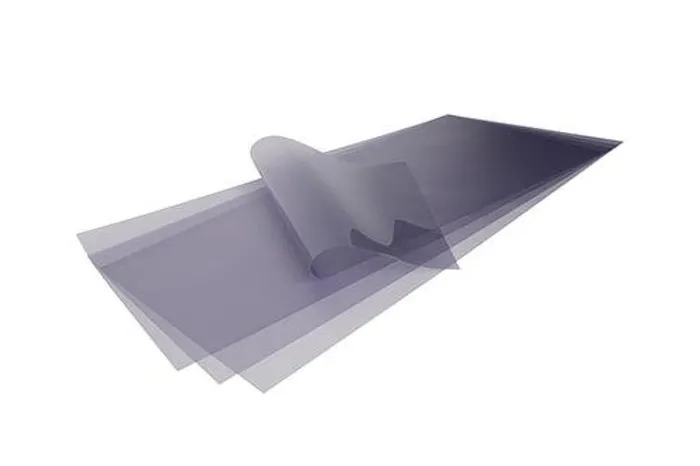
NaturaLux™ filters install over compatible ceiling fixtures to reduce glare while retaining about 80% of real-world light output. Instead of replacing bulbs or buying new fixtures, you upgrade what you already have. The result is a room-level comfort change, not treatment for depression.
Unlike a personal desk lamp, these filters work across the entire room. Every seat, every desk, every workstation benefits from better overhead light. That makes it a practical option for open offices, shared classrooms, and other commercial spaces where multiple people need improved lighting at the same time.
90%
Glare Reduction
Compared to unfiltered fluorescent and LED fixtures
80%
Light Retained
Real-world output after filtering, so rooms stay bright

Indoor Lighting Terms
During winter, people instinctively seek brighter, more natural-looking light. In room-lighting discussions, full spectrum describes a broad, balanced distribution of visible wavelengths. It is not a clinical treatment standard and should not be confused with a treatment light box. For workplaces, the practical goal is comfortable visibility during months with limited daylight.
NaturaLux filters rebalance the color output of your existing fixtures, shifting harsh yellow-green or cold blue-white tones toward something closer to daylight. The room looks and feels different. For a deeper look at the science behind this, visit our full spectrum light resource page.
Make Great Light products are different from a personal light therapy lamp. Instead of a single directed light source that you sit in front of for a set period, our filters improve the overhead lighting across the whole room using your existing fixtures. The result is an environmental upgrade that benefits everyone in the space, not just one person at one desk.
Where It Helps
Most people affected by shorter days spend the bulk of their time in shared indoor spaces. Improving the overhead lighting in those rooms is one of the most practical starting points.
Large office floors with rows of overhead fixtures are one of the easiest environments to upgrade. Filters cover the entire workspace, not just individual desks.
Learn moreCoworking spaces, conference rooms, and collaborative areas where multiple people rely on the same overhead lighting throughout the day.
Teachers and students spend 6+ hours a day under fluorescent lighting. Filters can help create a brighter, more balanced classroom environment during winter.
Learn moreHealthcare spaces, counseling offices, and professional settings where comfort and calm matter. Filters improve lighting without any disruption to operations.
Learn moreIf you work from home under fluorescent or LED ceiling fixtures, filters provide the same environmental improvement you would want in a commercial office.
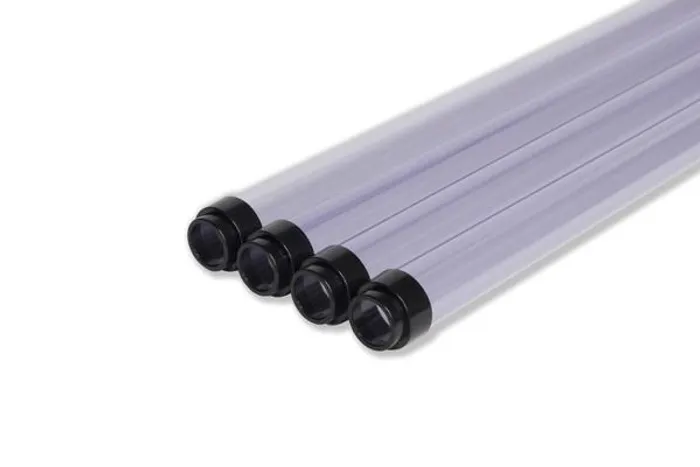
NaturaLux filters work with fluorescent troffers, exposed tubes, and LED panels. No electrician needed. Choose the type that matches your ceiling.
Not sure which product fits your fixture? Our filter finder walks you through it in 30 seconds
Common Questions
Clinical light therapy for winter-pattern SAD uses a purpose-built device and a clinician-guided plan. For ordinary rooms, choose lighting that supports comfortable visibility and controls glare, but do not treat room lighting as a substitute for SAD care.
Overhead lighting changes may make an indoor space more visually comfortable during shorter days. They have not been shown to treat SAD and are separate from clinical light therapy.
No. Clinical light therapy typically uses a purpose-built 10,000-lux light box on a clinician-guided schedule. NaturaLux filters are passive room-level products for glare reduction and visual comfort. They do not deliver a prescribed light exposure and do not treat SAD.
Yes. The filters are designed for standard 2x2 and 2x4 ceiling fixtures found in offices, classrooms, clinics, and commercial spaces. They install without tools or an electrician and are Class A fire rated for institutional use. Facility managers often install them across entire floors or buildings.
Yes. NaturaLux offers overlay panels for both fluorescent troffers and LED panel fixtures, as well as tube covers for exposed fluorescent bulbs (T5, T8, and T12). Panels start at $37.99 per fixture, and tube covers start at $18.99 each.
Upgrade your overhead lighting with filters that can help create a brighter, more balanced indoor environment.
From $37.99 per fixture. Bulk pricing available.