

Record the pattern
Note when symptoms begin, which fixtures are on, where the monitor sits, and whether blinds or task lights change the discomfort. A short record can make a clinical conversation or workplace request more specific.
NaturaLux full-spectrum filters reduce 90% of fluorescent glare while improving color balance and blocking UV radiation. No fixture replacement, no electrician, no disruption.
Used in offices, schools, and clinics across the U.S. and Canada





















For many people, fluorescent light headaches are really glare headaches. Standard fluorescent fixtures produce a harsh, concentrated beam of overhead light with very little diffusion. Instead of creating soft, even illumination, they create bright ceiling hot spots, hard reflections on desks and monitors, and sharp visual contrast across the room. Your eyes have to keep adapting to that glare hour after hour, and that constant visual effort builds into eye strain, forehead tension, and headaches.
That glare often works together with other fluorescent lighting problems. Many fluorescent tubes also produce a narrow yellow-green spectral profile that feels unnatural to the visual system, and they can emit UV radiation that adds to discomfort in sensitive individuals. In older systems with magnetic ballasts, invisible flicker at 100-120Hz can further increase fatigue and headache symptoms. These factors often overlap, which is why symptoms tend to build over the course of the day. But glare is often the part people notice first because it's what makes the room feel harsh, sharp, and exhausting to work in.
Fluorescent fixtures direct intense light straight downward with little diffusion, creating bright hot spots, screen reflections, and constant visual stress.
Fluorescent tubes often produce a yellow-green cast that makes your visual system work harder to process what you're seeing, adding to cumulative strain.
Fluorescent tubes can emit UVA and UVB radiation, which may increase discomfort for sensitive individuals and contribute to eye strain over long exposure.
Older fluorescent systems with magnetic ballasts cycle at 100-120Hz. Your brain may detect this flicker even when your eyes cannot, contributing to fatigue.
For someone sitting under fluorescent fixtures for 8 hours a day, these effects compound over time. That's why headaches often build throughout the day instead of starting all at once. For people with LED light headaches or light sensitivity, the glare and visual stress can trigger symptoms much faster.
Fluorescent light headaches aren't limited to people with diagnosed conditions. Anyone spending extended hours under overhead fluorescents can develop symptoms.
People who spend most of the day under overhead fluorescent fixtures, especially in offices with limited access to natural light.
Teachers often spend full days in classrooms with little control over the lighting environment.
Students spend the bulk of their school day under fluorescent fixtures with no way to adjust the environment.
Clinical staff work long shifts under high-output fixtures that cannot easily be dimmed or adjusted.
For people with migraines, overhead fluorescent glare can be one of the fastest and most disruptive triggers.
People with photophobia, lupus, or sensory processing differences often find fluorescent lighting particularly difficult to tolerate.
Whether your headaches are migraine-level or a daily low-grade strain, the underlying environment is often similar: glare, spectral imbalance, and UV radiation from overhead fixtures. Addressing the light source is one practical way to reduce those factors for everyone in the room.
See the difference NaturaLux filters make on fluorescent fixtures
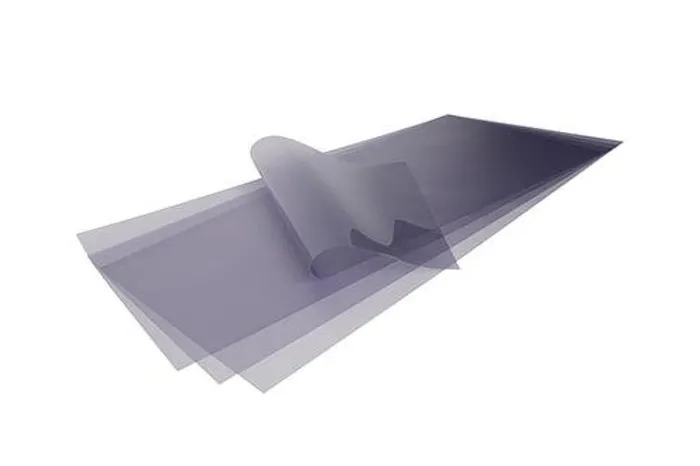
NaturaLux filters are designed to solve the biggest problem with fluorescent lighting: harsh overhead glare. Using a patented micro-reflective polymer, NaturaLux filters soften and redirect aggressive fluorescent light before it reaches your eyes. Fewer bright hot spots overhead, less reflection bouncing off screens and desks, and a room that still feels bright but far less harsh.
At the same time, the filters also improve other parts of the lighting environment: rebalancing the color spectrum toward natural daylight, blocking UV radiation, and retaining 80% of light output so your space stays functional. The filters install over your existing fixtures. No rewiring, no electrician, no disruption.
90% Glare Reduction
Softens harsh overhead light at the source
Spectral Rebalancing
Improves CRI from 88 to 95.3, shifting light toward natural daylight
UV Protection
Blocks 100% of UVB and up to 98% of UVA radiation
80% Light Output Retained
Bright enough to work, without the harshness
Full-spectrum light filters address glare, color imbalance, and UV at the fixture level. This is the highest-impact change because it fixes the environment for everyone, not just one person.
A warm-toned desk lamp reduces your dependence on overhead fixtures. It gives your eyes a softer light source to balance against the ceiling.
Overhead fluorescents reflecting off your monitor compound the strain. Tilt your screen slightly, reduce screen brightness to match ambient levels, and position your desk so light comes from the side rather than directly above.
The 20-20-20 rule helps: every 20 minutes, look at something 20 feet away for 20 seconds. Step outside for natural light during lunch if possible.
If headaches are affecting your productivity, you may be entitled to a lighting accommodation under the ADA. Light filters are one of the most cost-effective and least disruptive options available.
Steps 2-4 help, but they're coping mechanisms. Filtering the light source itself is the only change that addresses the root cause for everyone in the room.
From $37.99/panel. No electrician needed.
0%
Glare Reduced
Reduces harsh overhead light at the source
0%
UVB Blocked
Complete UV protection from overhead fixtures
0%
Light Retained
Retains usable light while reducing glare
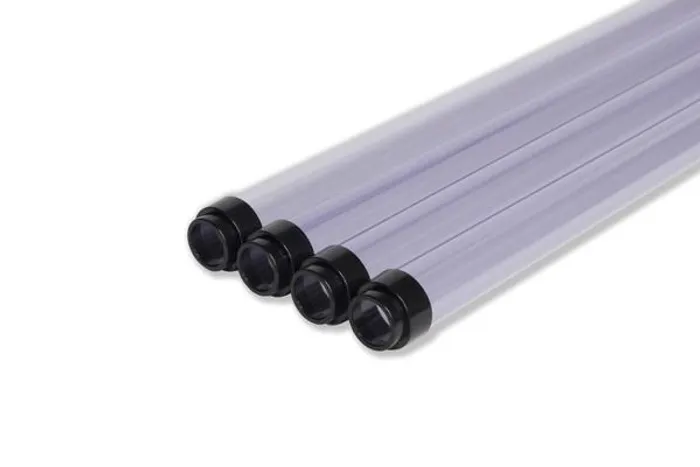
NaturaLux filters overlay your existing fixtures. Choose the type that matches your ceiling. No electrician, no disruption.
Not sure which product fits your fixture? Our filter finder walks you through it in 30 seconds
Need 12 or more? Request bulk pricing · Not sure which fits? Browse all NaturaLux light filters and covers
If fluorescent lights give you headaches, you may also experience symptoms under LED lighting. Modern LEDs produce their own form of harsh, concentrated light that triggers similar discomfort. NaturaLux makes LED-specific filters that address those issues too.
Fluorescent light headaches frequently overlap with broader light sensitivity (photophobia), migraines, and other conditions where lighting quality plays a direct role. Changing the fixture environment can complement personal strategies such as clinician-recommended lenses or task lighting, and it can improve comfort for more than one person in the room.
If fluorescent lighting triggers your headaches at work, light filters may support a workplace accommodation request because they:
LED fixtures trigger headaches through different mechanisms than fluorescents
Learn more →Relief from photophobia and visual discomfort
Learn more →100% UVB blocked for UV-sensitive conditions
Learn more →Calmer sensory environments for sensitive individuals
Learn more →NaturaLux filters cut 90% of glare from overhead office fixtures. No electrician needed, no disruption to your workday.
Office lighting solutions Classroom LightingTeachers and students spend 6-8 hours under fluorescents daily. Full-spectrum filters create a calmer visual environment that supports focus.
Classroom lighting solutions“I had a migraine headache every single day.”
Fluorescent lighting can worsen light sensitivity during a migraine for some people, but the relationship is not always simple. Light may act as a trigger, intensify pain, or become uncomfortable during the early stages of an attack. Brightness, glare, reflections, flicker, patterns, and color can all matter. Blue light alone does not explain every response.
Note when symptoms begin, which fixtures are on, where the monitor sits, and whether blinds or task lights change the discomfort. A short record can make a clinical conversation or workplace request more specific.
If one lamp visibly flickers or behaves differently from the rest of the room, ask qualified facilities or electrical personnel to inspect it. A passive filter cannot repair a ballast, driver, lamp, wiring fault, or other electrical problem.
Keep the desk, monitor, schedule, and task consistent when possible. Record glare, perceived brightness, headache intensity, and how usable the room feels across several typical workdays. Include feedback from everyone who uses the space.
Evidence reviewed: 2022 migraine and light review, photophobia in migraine review, neurological and ophthalmological photophobia review, and Job Accommodation Network migraine guidance.
Tell us how many fixtures you need to cover and we'll send back exact pricing. Installation is simple, and most spaces can be updated without replacing the existing fixture.
Fluorescent light filters from $37.99