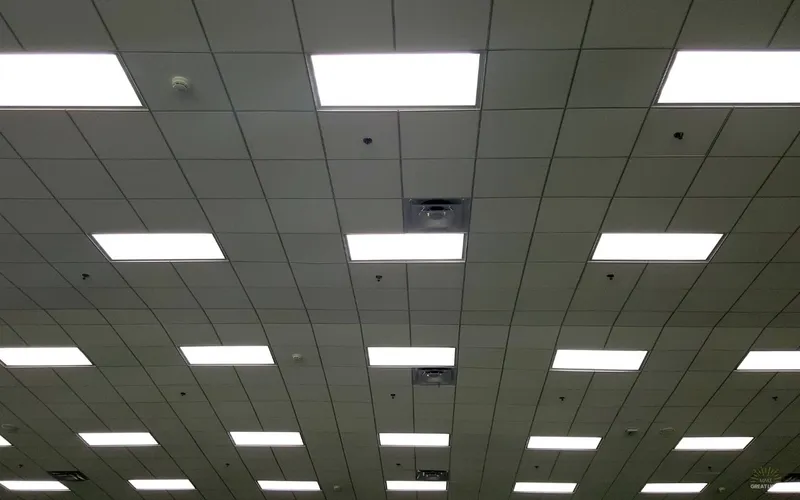
Living with light sensitivity can feel like navigating a world that’s perpetually too bright. You might find yourself squinting under fluorescent office lights, avoiding sunny afternoons, or cutting short screen time because of the discomfort.
Photophobia, the medical term for light sensitivity, isn’t just an inconvenience: it can disrupt your work, limit your activities, and affect your overall quality of life. The good news? With the right environmental adjustments, protective strategies, and awareness of underlying triggers, you can reclaim comfort in both bright and dimly lit spaces.
This guide walks you through practical, step-by-step solutions to reduce light sensitivity at home, work, and everywhere in between, so you can focus on what matters instead of managing constant discomfort.
Light Sensitivity?
Try NaturaLux light filters to reduce the harshness and eliminate glare.
Understanding Light Sensitivity and Its Impact on Daily Life
What Causes Light Sensitivity?
Light sensitivity, or photophobia, is a symptom, not a standalone condition, and it can stem from a surprising range of causes. Common culprits include eye infections like conjunctivitis or keratitis, corneal abrasions, uveitis, and dry eyes. Migraines are another frequent trigger: many migraine sufferers report that bright lights worsen their symptoms or even precipitate an attack.
Certain medications can also increase your sensitivity to light. Tetracyclines, antihistamines, and some acne treatments have been linked to photophobia as a side effect. Eye trauma, whether from surgery or injury, may leave your eyes temporarily more reactive to brightness. In rarer cases, neurological conditions or systemic diseases contribute to the problem.
If you experience sudden onset light sensitivity accompanied by eye pain, redness, or vision changes, seek urgent medical care. These can signal serious conditions requiring prompt treatment.
Common Symptoms and Triggers to Recognize
People with light sensitivity often describe squinting reflexively, excessive tearing, eye pain, and headaches when exposed to bright environments. You might notice blurred vision after prolonged light exposure or an overwhelming urge to close your eyes or look away.
Triggers vary by individual but frequently include:
- Fluorescent and LED lighting, especially the cool-white, high-intensity varieties common in offices and schools
- Digital screens, computers, tablets, smartphones, which emit blue light
- Sunlight, particularly during midday or when reflected off water, snow, or pavement
- Sudden transitions from dark to bright spaces
Understanding your specific triggers is the first step toward managing them. Many people find that tracking symptoms in a journal helps identify patterns, whether it’s time of day, type of lighting, or concurrent stressors like dehydration or missed meals.
Step 1: Modify Your Indoor Lighting Environment
Switch to Warmer, Softer Bulbs
One of the simplest and most effective changes you can make is swapping out harsh, cool-white bulbs for warmer alternatives. Look for bulbs labeled 2700K to 3000K on the color temperature scale, these emit a softer, amber-toned light that’s gentler on sensitive eyes.
LED bulbs in the warm-white range offer energy efficiency without the flicker or intensity that exacerbates discomfort. Avoid “daylight” or “bright white” bulbs (5000K–6500K), which mimic midday sun and can feel glaring indoors.
Install Light Filters or Covers
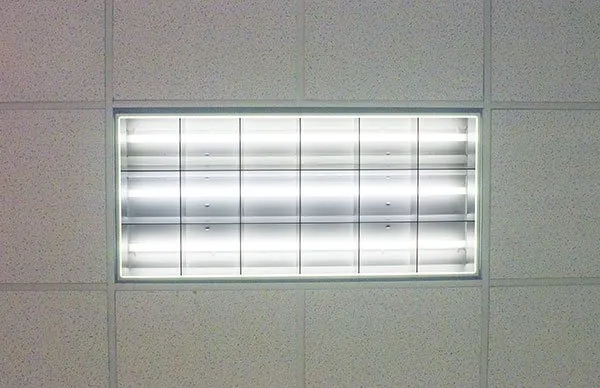
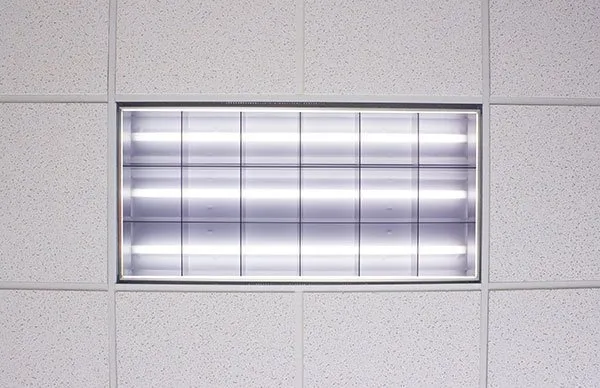
If replacing every bulb or fixture isn’t feasible, especially in workplaces or schools, light filters offer a practical, cost-effective solution. These covers diffuse harsh light, reduce glare, and can even absorb UV radiation emitted by fluorescent tubes.
NaturaLuxâ„¢ light filters from Make Great Light are engineer-designed to transform artificial lighting into a full-spectrum, healthier light environment. They’re particularly effective in spaces with fluorescent or LED fixtures, helping to:
- Soften glare and reduce visual fatigue
- Eliminate UV exposure indoors
- Balance color temperature for a more natural appearance
- Alleviate headaches and eyestrain linked to harsh lighting
Installation is straightforward, most filters fit standard fixtures and require no rewiring or professional help. Schools, healthcare facilities, and offices have reported noticeable improvements in occupant comfort and productivity after retrofitting their lighting with NaturaLux filters.
For individuals with conditions like lupus, migraines, Irlen syndrome, or photophobia, these filters can make the difference between avoiding a space and functioning comfortably within it.
Use Dimmers and Task Lighting
Dimmers let you fine-tune brightness to match your comfort level throughout the day. Pair overhead dimming with task lighting, focused lamps for reading, writing, or computer work, so you illuminate only what you need without flooding the entire room.
Consider positioning a small desk lamp with a warm bulb at your workspace instead of relying solely on overhead fluorescents. This layered approach reduces overall light intensity while maintaining functionality.
Tip: When resting or experiencing a flare-up, retreat to a dimly lit room and apply a cold compress over closed eyes for 10–15 minutes. This combination soothes irritation and can help reset your visual system.
Step 2: Protect Your Eyes from Harsh Outdoor Light
Choose the Right Sunglasses
Not all sunglasses are created equal when you’re managing light sensitivity. Look for pairs that offer:
- 100% UV protection (UVA and UVB)
- Polarized lenses to reduce glare from reflective surfaces
- FL-41 tint, a rose-colored lens specifically designed to filter blue and green wavelengths that trigger migraines and photophobia
FL-41 glasses have been studied for their effectiveness in reducing light-triggered headaches and are especially popular among migraine sufferers. Some optometrists can prescribe or recommend these lenses.
But remember: while protection is essential, completely avoiding light can worsen sensitivity over time. Your eyes need gradual exposure to maintain tolerance. Use sunglasses strategically, outdoors and in bright environments, but don’t wear them indoors unnecessarily.
Wear a Hat or Visor Outdoors
A wide-brimmed hat or visor adds an extra layer of shade, blocking overhead sunlight before it reaches your eyes. This is particularly helpful during peak sun hours (10 a.m. to 3 p.m.) or in open spaces like beaches, parks, or sports fields.
Pairing a hat with quality sunglasses provides comprehensive protection and can noticeably extend the time you’re able to spend outdoors comfortably.
Step 3: Make Smart Adjustments at Work and School
Request Lighting Accommodations
Under workplace health and safety guidelines, many employers are willing, and in some cases required, to accommodate medical needs related to lighting. If fluorescent or LED fixtures are triggering symptoms, consider:
- Requesting dimmer overhead lights in your workspace
- Asking for the installation of light filters or covers on fixtures near your desk
- Switching to a workspace with natural light (but not direct sun exposure)
NaturaLux filters are a cost-effective retrofit option that benefits not just you but everyone in the space, making them an easier sell to facilities managers. Frame your request around productivity, comfort, and employee wellness.
Teachers and school administrators can similarly advocate for classroom lighting improvements. Studies have shown that softer, full-spectrum lighting supports focus and reduces behavioral issues in students, a win-win for educational environments.
Position Your Workspace Strategically
Where you sit matters. If possible, position your desk:
- Perpendicular to windows rather than facing them directly
- Away from bright overhead fixtures
- With your back to the brightest light sources
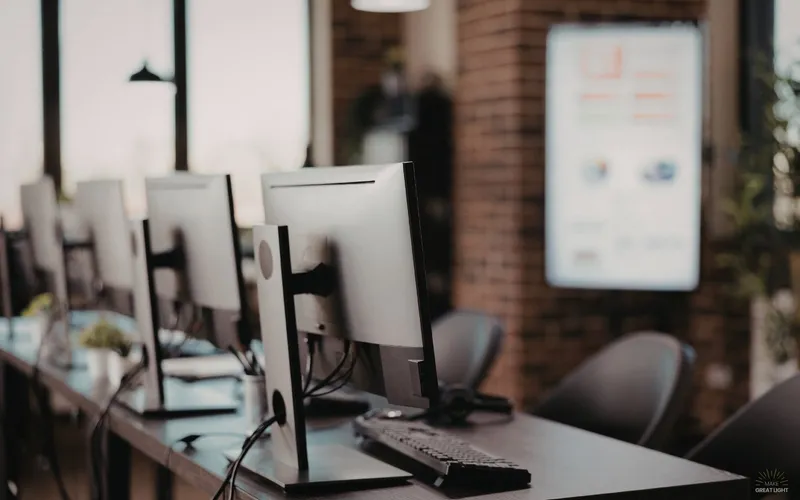
This minimizes glare on screens and reduces the amount of direct light hitting your eyes. If you can’t move your desk, consider a small desk partition or use task lighting to create a more controlled light environment.
Use Screen Filters and Adjust Device Settings
Blue light from screens is a common photophobia trigger. To reduce exposure:
- Enable blue light filters or “night mode” on all devices (many operating systems now include this feature)
- Lower screen brightness to the minimum comfortable level
- Attach a matte screen protector to reduce glare
- Adjust contrast settings so text is crisp without being blindingly white
Many users find that switching to dark mode, white text on a dark background, eases eyestrain, especially during extended work sessions.
Step 4: Address Underlying Health Conditions
Consult with an Eye Care Professional
Because photophobia is a symptom rather than a diagnosis, identifying and treating the root cause is essential for long-term relief. Schedule a comprehensive eye exam with an optometrist or ophthalmologist, who can check for:
- Infections requiring antibiotic or antiviral drops
- Inflammation (uveitis) treatable with anti-inflammatory medications
- Dry eye, managed with artificial tears or prescription therapies
- Corneal damage needing specialized care
Don’t skip this step. Environmental modifications help manage symptoms, but addressing the underlying issue can often reduce or eliminate light sensitivity altogether.
Manage Migraine and Photosensitive Conditions
If migraines are the culprit, work with a neurologist or headache specialist to develop a treatment plan. This might include:
- Preventive medications to reduce migraine frequency
- Acute treatments (triptans, NSAIDs) to stop attacks when they start
- Lifestyle adjustments like consistent sleep, hydration, and stress management
For those with lupus, Irlen syndrome, or other photosensitive conditions, coordinating with your care team ensures that lighting modifications complement your overall treatment strategy. Many patients find that combining medical management with environmental changes, like installing NaturaLux filters at home and work, offers the most complete relief.
Step 5: Build Daily Habits That Support Eye Comfort
Take Regular Screen Breaks
The 20-20-20 rule is a simple, evidence-backed habit: every 20 minutes, look at something 20 feet away for at least 20 seconds. This reduces eye strain, encourages blinking (which keeps eyes moist), and gives your visual system a chance to reset.
Set a timer or use an app to remind yourself, it’s easy to lose track when you’re focused. If you work at a computer all day, consider taking a 5-minute break every hour to walk around and rest your eyes completely.
Stay Hydrated and Support Eye Health
Dehydration can worsen dry eyes, which in turn increases light sensitivity. Aim for adequate water intake throughout the day, a good baseline is about eight 8-ounce glasses, though individual needs vary.
If you experience persistent dryness, use artificial tears (preservative-free versions are gentler for frequent use). Omega-3 fatty acids, found in fish oil or flaxseed, may also support tear production and eye surface health: talk to your doctor about supplementation.
Avoid rubbing your eyes, even when they feel irritated. Rubbing can introduce bacteria, exacerbate inflammation, and worsen sensitivity. Instead, use a clean, cool compress or rinse with saline.
Troubleshooting Common Challenges
When Workplace or School Lighting Can’t Be Changed
Sometimes you’ll encounter spaces where lighting modifications simply aren’t possible, think rented offices, temporary classrooms, or shared facilities. In these cases, focus on personal solutions:
- Wear FL-41 tinted glasses indoors (they’re subtle enough for professional settings)
- Use a portable desk lamp with a warm bulb to offset harsh overhead lights
- Request a workspace relocation to a less brightly lit area
- Bring your own screen filter or adjust device settings aggressively
If you’re a facilities manager or decision-maker and can’t overhaul lighting, consider NaturaLux light filters as a middle-ground solution. They install quickly over existing fixtures, require no electrical work, and immediately soften the quality of light, often at a fraction of the cost of replacing fixtures.
Managing Light Sensitivity in Shared Spaces
Living or working with others who don’t share your light sensitivity can be tricky. Open communication is key. Explain how lighting affects you, most people are willing to compromise once they understand it’s a health issue, not just a preference.
In shared spaces:
- Suggest zone lighting (task lamps in individual areas instead of bright overhead lights for everyone)
- Propose installing light filters that benefit everyone by reducing glare and creating a more comfortable environment
- Use privacy screens or partitions to shield your workspace from the brightest sources
Tracking your triggers in a journal can also help. Note the time of day, type of light, duration of exposure, and severity of symptoms. Patterns often emerge that let you predict and avoid the worst situations, or provide concrete data when requesting accommodations.
Moving Forward: Creating a Light-Friendly Lifestyle
Reducing light sensitivity is rarely about a single fix: it’s about layering strategies that work together. Start with the easiest changes, warmer bulbs, screen adjustments, and quality sunglasses, then build from there. Environmental modifications like NaturaLux light filters offer lasting improvements, especially in spaces you occupy daily.
Don’t underestimate the power of addressing underlying health conditions, either. An eye exam or migraine consultation can unlock relief you didn’t know was possible. And as you refine your daily habits, taking breaks, staying hydrated, protecting your eyes outdoors, you’ll likely notice incremental improvements in comfort and function.
Light sensitivity can be managed. With the right combination of environmental adjustments, protective measures, and medical support, you can create a lifestyle that accommodates your needs without limiting your potential. Take it one step at a time, track what works, and be patient with yourself as you fine-tune your approach. The goal isn’t to live in darkness, it’s to live comfortably in the light.
Frequently Asked Questions
What is the best way to reduce light sensitivity at home?
Switch to warmer bulbs (2700K–3000K), install light filters or covers on fixtures, and use dimmers with task lighting. These changes soften harsh light, reduce glare, and create a more comfortable environment for sensitive eyes.
Can wearing sunglasses indoors help with photophobia?
While FL-41 tinted glasses can help indoors, avoid overusing regular sunglasses inside. Complete light avoidance can worsen sensitivity over time. Use strategic protection outdoors and in bright environments, but allow gradual exposure indoors.
How does blue light from screens trigger light sensitivity?
Blue light emitted by digital devices can intensify photophobia symptoms and trigger migraines. Enable blue light filters or night mode, lower brightness, use matte screen protectors, and consider dark mode to reduce exposure and eyestrain.
What medical conditions cause light sensitivity?
Common causes include migraines, dry eyes, eye infections like conjunctivitis, corneal abrasions, uveitis, and certain medications. Neurological conditions and systemic diseases can also contribute. Consult an eye care professional for proper diagnosis and treatment.
Are FL-41 glasses effective for reducing light sensitivity?
Yes, FL-41 lenses filter blue and green wavelengths that commonly trigger migraines and photophobia. Studies show they effectively reduce light-triggered headaches, making them popular among migraine sufferers and those with chronic light sensitivity.
How long does it take to see improvement in light sensitivity symptoms?
Improvement varies by individual and cause. Environmental changes like warmer lighting and filters often provide immediate relief, while treating underlying conditions may take weeks. Consistently applying multiple strategies yields the best long-term results.